
What is the True Cost and Process?
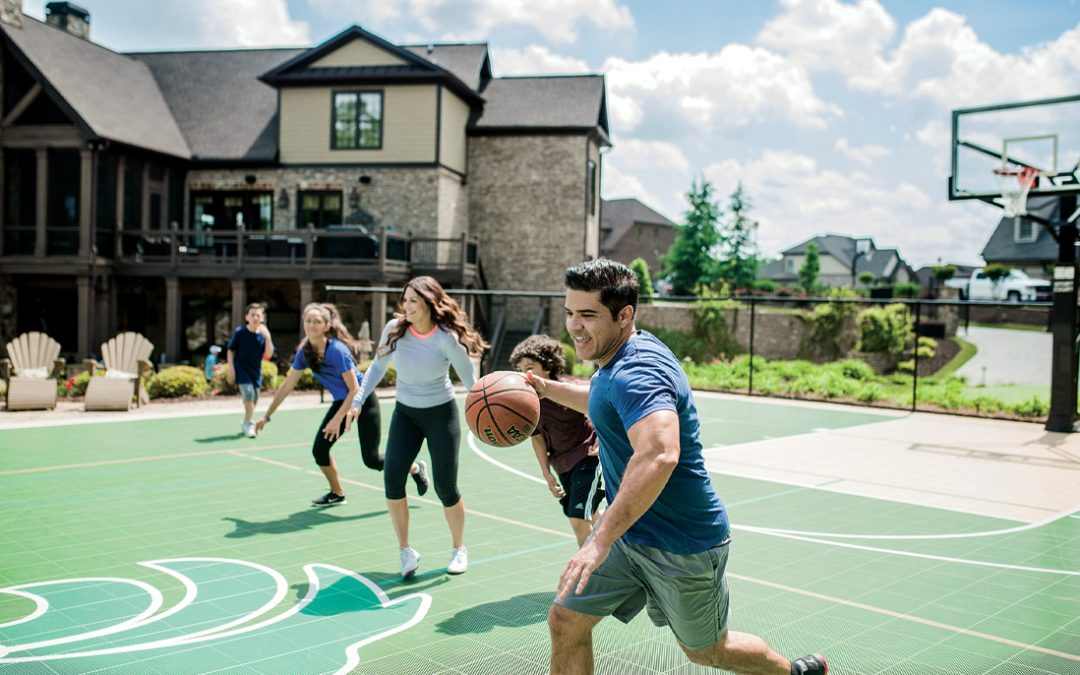
For many Wyoming and Colorado families, a custom backyard court is the ultimate lifestyle upgrade. It’s a safe place for kids to grow up, a fitness hub for adults, and a social center for the whole neighborhood. But the first question everyone asks is: "How much will it cost?"
At Court Builders of the Rockies, we believe in transparency. While every project is unique, understanding the four major cost drivers—Site Prep, Base Construction, Surfacing, and Components—will help you budget for your dream court.
As the region’s ASBA Builder Member and a Member of ASBA, we handle every step of this process in-house, ensuring you get the most value for your investment without hidden subcontractor fees.
1. Site Preparation & Access (The "Hidden" Variable)
This is often the biggest variable in Wyoming and Colorado projects due to our hilly terrain and strict city codes.
-
- Grading & Excavation: Before we can build, we must create a flat pad. A flat backyard in the Central Valley will cost significantly less to prep than a sloped hillside property in the Bay Area or Marin County.
- Retaining Walls: If your yard has a slope, we may need to engineer retaining walls to support the court. As a Licensed General Engineering Contractor, we design and build these structural elements ourselves.
- Access: Can our bobcats and concrete mixers get into your backyard? If you have a standard 8-foot side gate, we are golden. If access is tight (requiring cranes or manual labor), installation costs will naturally rise.

2. The Foundation (Concrete vs. Base Systems)
A court is only as good as what’s underneath it.
-
- Post-Tension Concrete: This is the gold standard for durability. We pour a steel-reinforced concrete slab (typically 4-5 inches thick). Unlike asphalt, which oxidizes and cracks quickly, a post-tension slab resists settling and earth movement—crucial for California’s active soil.
- Permeable Base Panels: For areas with strict "impervious coverage" limits (often found in cities like Atherton or Saratoga), we can install an eco-friendly, permeable modular base. This saves on concrete costs and allows water to drain directly into the soil.

3. Performance Surfacing
Once the concrete cures, we install the playing surface. This is where your aesthetic and performance choices come in.
-
- Modular Tile Systems: Our most popular option. These suspended tiles provide vertical shock absorption (protecting knees and joints) and self-draining properties. Pricing varies based on the "tech level" of the tile—from standard recreational tiles to high-friction tiles designed for competitive pickleball.
- Acrylic Coatings: For a traditional tennis court feel, we offer cushioned acrylic systems. These require a flawless concrete base but offer that classic hard-court ball bounce.

4. Components & Accessories (The Fun Stuff)
The "bells and whistles" turn a slab into a stadium.
-
- Hoop Systems: From adjustable glass backboards to fixed commercial rims.
- Lighting: LED court lights extend playing time into the evening.
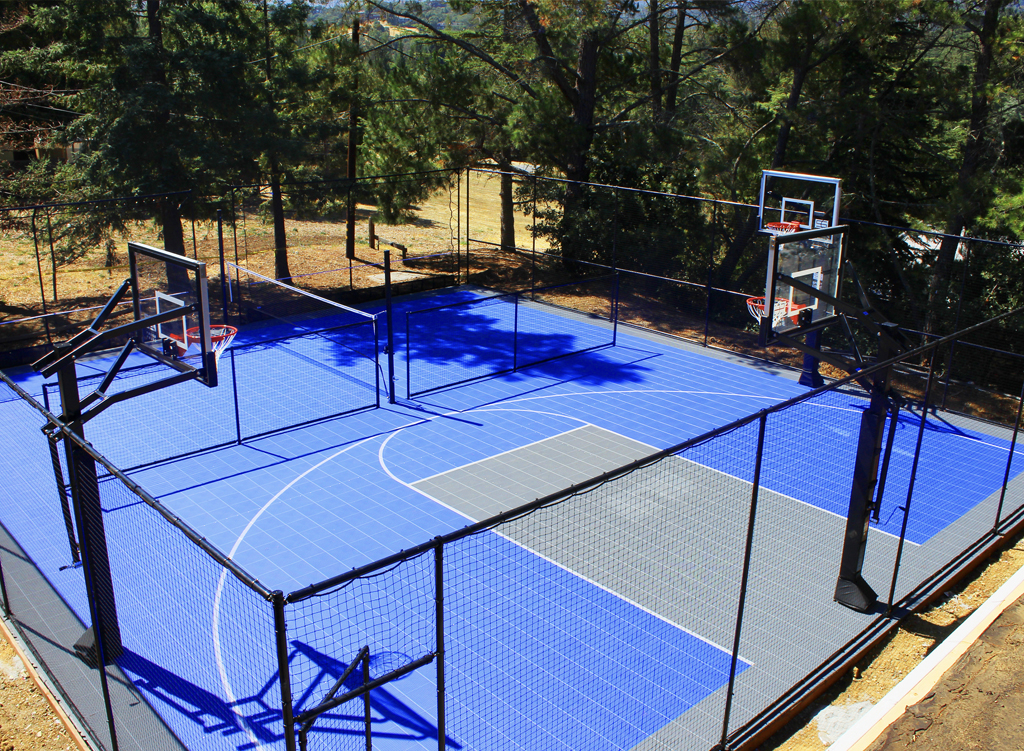
- Containment: Fencing (soft-net or chain-link) keeps the ball in play and protects your landscaping.
- Multi-Sport Versatility: Add adjustable nets for volleyball, pickleball, and badminton to get 4 courts for the price of one.
Summary: The Construction Process
Many homeowners are surprised by how technical the building process is. Here is the roadmap we follow:
- Design & Engineering: We survey your land and handle all local permitting.
- Excavation: We move the dirt and level the site.
- Foundation: We pour the post-tension concrete or install the eco-base.
- Surfacing: We install your custom-colored modular tiles.
- Game Day: We install hoops, lights, and stripes, and hand you the keys.
FAQ About Court Costs
Q: What is the average cost of a backyard multi-sport court?
A: While every project is custom, most complete backyard courts in Wyoming and Colorado range between $25,000 and $60,000+, depending heavily on size and site preparation. A simple half-court on a flat lot will be on the lower end, while a full multi-sport court requiring retaining walls and extensive grading will be on the higher end.
Q: Does adding a game court increase home value?
A: Yes. In the Bay Area and Sacramento markets, a professionally built, low-maintenance game court is a highly desirable amenity for families. It differentiates your property from others and can increase resale value, often recovering a significant portion of the installation cost.
Q: Why is post-tension concrete more expensive than asphalt?
A: Post-tension concrete has a higher upfront cost because it uses steel cables for reinforcement, but it creates a monolithic slab that resists cracking and settling. Asphalt is cheaper initially but requires frequent seal-coating and will eventually crack and crumble, leading to higher long-term repair costs.
Q: Can I install modular tiles directly over grass or dirt to save money?
A: No. Modular tiles require a hard, flat subsurface to function correctly. Installing them over dirt would lead to an uneven playing surface, weed growth, and poor drainage. However, we offer permeable base panels (an eco-friendly concrete alternative) which can sometimes reduce excavation costs.
Q: Do I need a permit for a backyard basketball court?
A: In most Wyoming and Colorado municipalities, yes. Permits are typically required for the grading (moving dirt), the concrete work, and any electrical work (lighting). As a Member of ASBA, we handle the entire permitting process for you to ensure your court is code-compliant.
Q: How much does it cost to convert a tennis court to pickleball?
A: Converting an unused tennis court is often much cheaper than building new because the base already exists. Costs are typically limited to surface repairs, new modular tiling, and accessories (nets/lights), making it a very cost-effective upgrade for HOAs and homeowners.
Why "Who You Hire" Affects Cost
You might find a general handyman who quotes a lower price, but court construction is a precise science. Improper drainage can ruin a court in one winter. Poorly poured concrete can result in "dead spots" where the ball doesn't bounce.
Choosing Court Builders of the Rockies means you are hiring the only ASBA Certified builder in the area. We get it right the first time, saving you thousands in future repairs.
Ready to get a precise quote for your yard?
Contact us today for a free on-site consultation and site survey.